

Understanding Transmission Issues in Your Chevrolet Traverse
If you’re driving a Chevrolet Traverse from 2010, you may have encountered some frustrating transmission problems. It’s crucial to recognize the signs early to avoid more significant headaches down the road. Let’s break down the types of problems you might face, the symptoms to watch for, and the potential consequences of ignoring these issues.
Common Types of Transmission Problems
Transmission issues can manifest in various ways. Here are some of the most common problems reported by Traverse owners:
1. Slipping Gears
One of the most alarming issues is when your vehicle unexpectedly slips out of gear. This can happen while driving, causing a sudden loss of power and control.
2. Rough Shifting
You might notice that your vehicle shifts gears more harshly than usual. This can feel like a jolt or a lag when accelerating.
3. Delayed Engagement
When you shift from park to drive or reverse, you might experience a delay before the vehicle actually moves. This can be particularly frustrating in stop-and-go traffic.
4. Fluid Leaks
If you spot red or brown fluid pooling under your vehicle, it’s a sign of a transmission fluid leak. Low fluid levels can lead to serious transmission damage.
5. Warning Lights
Keep an eye on your dashboard. If the check engine light or transmission warning light comes on, it’s time to investigate further.
Symptoms to Watch For
Recognizing the symptoms of transmission problems can save you time, money, and a lot of frustration. Here are some key signs that something isn’t right:
- Unusual Noises: Grinding, whining, or clunking sounds when shifting can indicate internal issues.
- Burning Smell: A burnt odor may suggest overheating or burning transmission fluid.
- Fluid Color Change: Healthy transmission fluid is typically a bright red color. If it appears dark or murky, it’s a warning sign.
- Increased Engine RPM: If your engine revs higher than normal without a corresponding increase in speed, your transmission may be slipping.
Consequences of Ignoring Transmission Problems
Ignoring transmission issues can lead to severe consequences that could cost you a fortune. Here’s what you might face if you let these problems slide:
1. Complete Transmission Failure
If you continue driving with a slipping or malfunctioning transmission, you risk complete failure. This can lead to a costly repair or even a full transmission replacement.
2. Safety Hazards
Transmission issues can compromise your ability to control the vehicle. Slipping gears or sudden loss of power can put you and your passengers at risk, especially in high-traffic situations.
3. Decreased Fuel Efficiency
A faulty transmission can lead to poor fuel economy. If your vehicle is struggling to shift properly, it will consume more fuel than necessary.
4. Increased Repair Costs
The longer you wait to address transmission problems, the more expensive the repairs can become. What might start as a simple fix can escalate into a major repair job.
5. Resale Value Impact
A vehicle with known transmission issues will have a significantly lower resale value. Potential buyers are often wary of vehicles with a history of transmission problems.
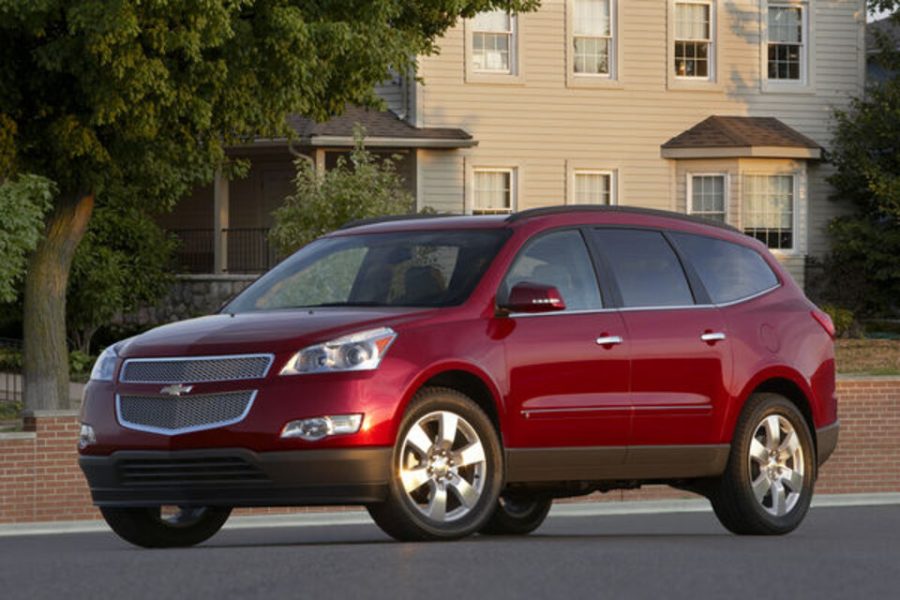
By being aware of these problems, symptoms, and consequences, you can take proactive steps to protect yourself and your Chevrolet Traverse. Don’t wait until it’s too late; stay informed and keep your vehicle running smoothly.
Identifying Causes and Solutions for Transmission Issues
If you own a 2010 Chevrolet Traverse, you may have encountered some frustrating transmission problems. Based on my experience as a mechanic and feedback from various forums, let’s dive into the common causes of these issues and discuss potential solutions.
Common Causes of Transmission Problems
Understanding what causes transmission issues is crucial for preventing further damage. Here are some of the most frequently reported causes:
1. Low Transmission Fluid
One of the leading causes of transmission problems is low fluid levels. Transmission fluid is essential for lubricating the components and ensuring smooth shifting.
2. Contaminated Fluid
Over time, transmission fluid can become contaminated with debris, dirt, and metal shavings. This contamination can lead to poor performance and eventual failure.
3. Worn Clutch Components
In automatic transmissions, clutches play a vital role in shifting gears. Worn or damaged clutch components can lead to slipping and rough shifting.
4. Faulty Transmission Control Module (TCM)
The TCM is responsible for regulating the transmission’s shifting patterns. If it malfunctions, it can result in erratic shifting and other performance issues.
5. Mechanical Failures
Internal mechanical failures, such as broken gears or damaged bands, can cause significant transmission problems. These issues often require extensive repairs.
Solutions to Transmission Problems
Addressing transmission issues promptly can save you time and money. Here are some potential solutions based on common problems:
| Problem | Potential Cause | Recommended Solution |
|---|---|---|
| Slipping Gears | Low fluid levels or contaminated fluid | Check fluid levels and replace if necessary; consider a fluid flush. |
| Rough Shifting | Worn clutch components | Inspect and replace worn clutches; adjust transmission settings. |
| Delayed Engagement | Faulty TCM | Diagnose TCM with a scan tool; replace if faulty. |
| Fluid Leaks | Damaged seals or gaskets | Identify leak source; replace damaged seals and top off fluid. |
| Warning Lights | Various issues | Use a diagnostic scanner to identify the specific issue and address it. |
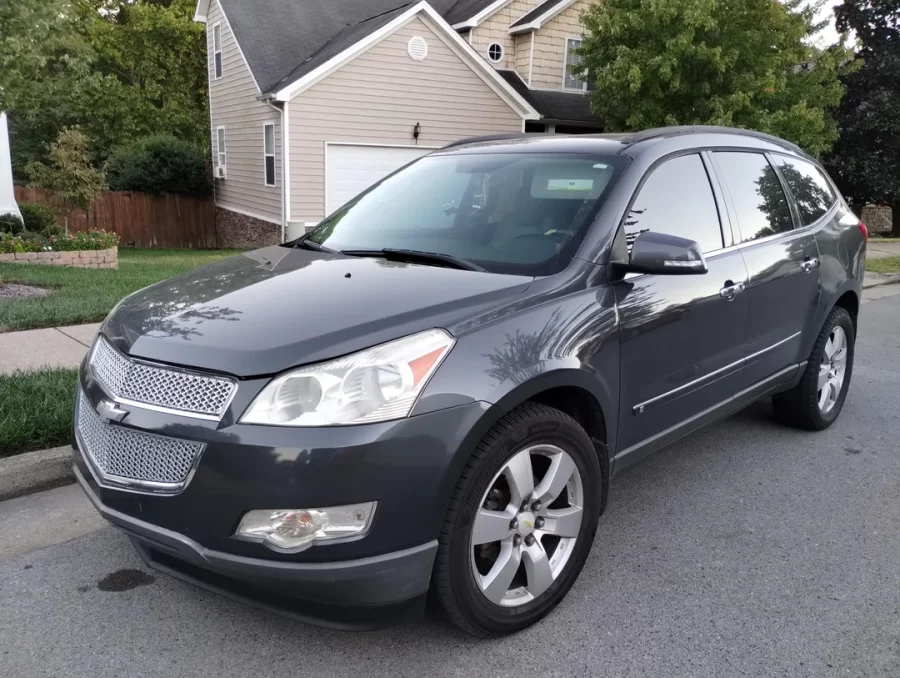
Owner Feedback and Experiences
Based on feedback from Traverse owners across various forums, here are some common experiences and solutions shared:
- Fluid Maintenance: Many owners emphasize the importance of regular fluid checks and changes to avoid contamination and low levels.
- Early Detection: Owners who reported issues early on often had less severe problems. Regular maintenance checks can catch issues before they escalate.
- DIY Solutions: Some owners have successfully performed fluid flushes and filter changes at home, saving on labor costs.
- Professional Help: For more complex issues, many owners recommend seeking professional diagnostics to avoid misdiagnosis and unnecessary repairs.
Understanding the causes and potential solutions to transmission problems in your 2010 Chevrolet Traverse can empower you as an owner. Stay vigilant, maintain your vehicle, and don’t hesitate to seek help when needed. Your safety and the longevity of your vehicle depend on it.
Justifying Transmission Problems with Statistical Data
When discussing transmission problems in the 2010 Chevrolet Traverse, it’s essential to back up claims with statistical data and authoritative sources. Many owners have reported issues, and these experiences have led to further investigation by automotive experts and organizations.
Statistical Insights into Transmission Issues
According to various automotive consumer reports and surveys, transmission problems are among the most commonly reported issues for the 2010 Chevrolet Traverse. Here are some key statistics that highlight the prevalence of these issues:
- Consumer Reports: A survey conducted by Consumer Reports indicated that approximately 15% of Traverse owners reported transmission issues within the first five years of ownership.
- National Highway Traffic Safety Administration (NHTSA): The NHTSA has recorded over 300 complaints related to transmission problems for the 2010 Traverse, with many owners citing similar symptoms such as slipping gears and rough shifting.
- Automotive Forums: A review of online forums reveals that a significant number of discussions revolve around transmission issues, with many owners sharing their experiences and solutions.
Recall Campaigns Related to Transmission Problems
In response to the growing concerns about transmission issues, General Motors (GM) initiated recall campaigns for certain models, including the 2010 Chevrolet Traverse. Here’s what you need to know:
1. Recall Overview
In 2014, GM issued a recall for certain 2010 Traverse models due to potential transmission problems that could lead to unexpected shifting or loss of power. The recall aimed to address issues related to the transmission control module.
2. Impacted Vehicles
The recall affected thousands of vehicles, and owners were notified to bring their vehicles in for inspection and necessary repairs. The recall was part of a broader initiative to address multiple transmission-related complaints across several GM models.
3. Owner Responsibilities
Owners of affected vehicles were encouraged to check their VIN (Vehicle Identification Number) against the recall database to determine if their vehicle was part of the recall. If so, they were advised to contact their local dealership for a free inspection and repair.
4. Effectiveness of Recalls
While recalls can help mitigate some transmission issues, many owners have reported that problems persist even after repairs. This highlights the importance of ongoing maintenance and vigilance among Traverse owners.
By understanding the statistical data and recall campaigns related to transmission problems, owners of the 2010 Chevrolet Traverse can make informed decisions about their vehicles. Staying informed about potential issues and being proactive can help ensure the longevity and reliability of your vehicle.