
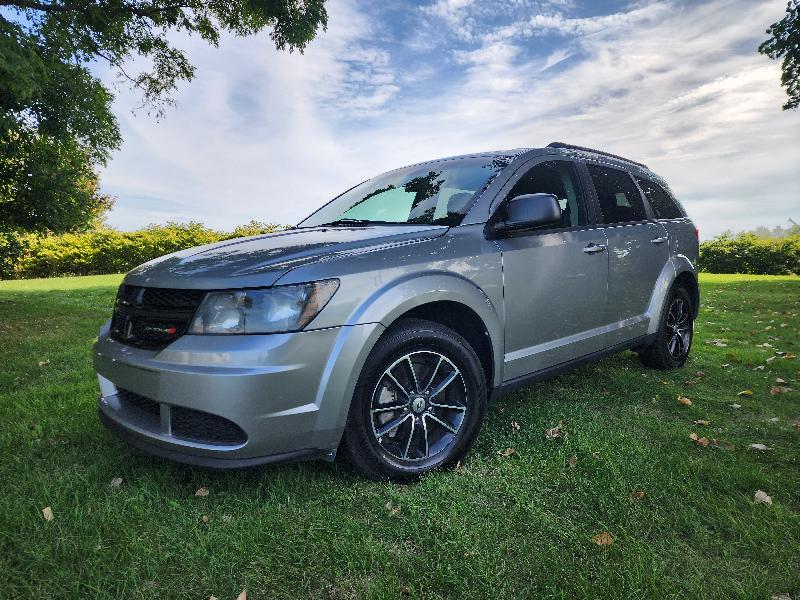
Understanding Transmission Issues in Your Dodge Journey
When it comes to owning a Dodge Journey, many drivers have reported facing some frustrating transmission problems. If you’re experiencing any issues with your vehicle, it’s essential to recognize the symptoms early on to avoid further complications down the road. Let’s dive into the various types of transmission problems, their symptoms, and the potential consequences of ignoring these issues.
Common Transmission Problems
The transmission system in your Dodge Journey is a complex piece of machinery that can encounter several issues. Here are some of the most common problems reported by owners:
1. Slipping Gears
One of the first signs of transmission trouble is slipping gears. This occurs when the transmission unexpectedly changes gears or fails to stay in gear. You might feel the engine revving higher without a corresponding increase in speed. This can happen during acceleration or even while cruising at a constant speed.
2. Delayed Engagement
If you notice a significant delay when shifting from park to drive or reverse, you’re likely dealing with a delayed engagement issue. This can manifest as a jerky or hesitant movement when you first put the vehicle in gear, which can be both frustrating and concerning.
3. Unusual Noises
Listen closely to your vehicle while it’s in gear. If you hear grinding, whining, or clunking noises, this could indicate a problem with the transmission. These sounds often suggest that internal components are wearing out or that there is insufficient lubrication.
4. Fluid Leaks
Transmission fluid is vital for the smooth operation of your vehicle. If you notice reddish or brown fluid pooling under your car, it’s a clear sign of a leak. Low fluid levels can lead to inadequate lubrication and overheating, causing further damage to the transmission.
5. Warning Lights
Modern vehicles, including the Dodge Journey, are equipped with warning lights to alert you to potential issues. If the check engine light or transmission warning light illuminates on your dashboard, it’s time to take action. Ignoring these signals can lead to more severe problems.
Symptoms to Watch For
Recognizing the symptoms of transmission problems is crucial for maintaining the health of your Dodge Journey. Here are some key indicators to keep an eye on:
- Difficulty shifting gears
- Unresponsive acceleration
- Overheating engine
- Vibration or shaking while driving
- Burning smell from the transmission area
Consequences of Ignoring Transmission Problems
Ignoring transmission issues can lead to a cascade of problems that may not only affect your vehicle’s performance but also your safety on the road. Here are some potential consequences:
1. Complete Transmission Failure
The longer you wait to address transmission problems, the more likely you are to experience complete transmission failure. This can leave you stranded and result in costly repairs or even a full transmission replacement.
2. Decreased Fuel Efficiency
A malfunctioning transmission can lead to poor fuel economy. If your vehicle is struggling to shift properly, it may consume more fuel than necessary, putting a dent in your wallet.
3. Safety Risks
Transmission issues can compromise your vehicle’s handling and responsiveness. If you’re unable to accelerate or shift gears properly, you may find yourself in a dangerous situation, especially in heavy traffic or during adverse weather conditions.
4. Increased Repair Costs
What might start as a minor issue can quickly escalate into a major problem. Delaying repairs can lead to further damage, resulting in more extensive and expensive repairs down the line.
5. Loss of Vehicle Value
If you’re considering selling your Dodge Journey in the future, unresolved transmission issues can significantly decrease its resale value. Potential buyers will be wary of purchasing a vehicle with known problems.
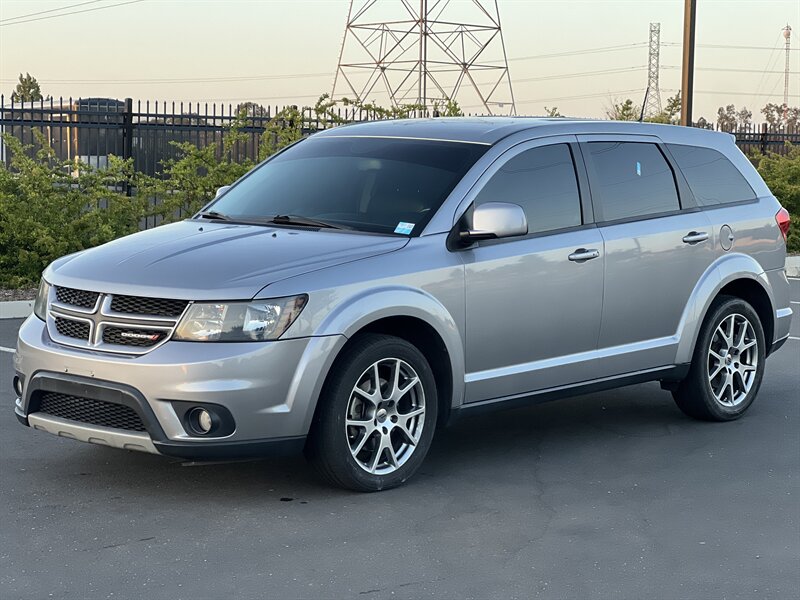
In summary, being aware of the types of transmission problems, their symptoms, and the consequences of ignoring them can help you take proactive steps to maintain your Dodge Journey. Stay vigilant, and don’t hesitate to consult a professional mechanic if you notice any warning signs.
Unpacking the Transmission Troubles in Your Dodge Journey
If you own a Dodge Journey from 2018, you might have stumbled upon some unsettling transmission issues. As an experienced mechanic, I’ve seen a range of problems reported by owners, and it’s crucial to understand what might be causing these headaches. Let’s break down the causes of these transmission problems and explore potential solutions based on real-world feedback from owners and forums.
Common Causes of Transmission Problems
Understanding the root causes of transmission issues can help you take the right steps to mitigate them. Here are some of the most frequently reported causes:
1. Low Transmission Fluid
Transmission fluid is the lifeblood of your vehicle’s transmission system. Low fluid levels can lead to overheating and inadequate lubrication, resulting in slipping gears and delayed engagement.
2. Worn Transmission Components
Over time, components within the transmission can wear down. This includes clutches, gears, and seals. Worn parts can lead to a host of issues, including grinding noises and difficulty shifting.
3. Electrical Issues
Modern transmissions are controlled by electronic systems. Faulty sensors or wiring problems can disrupt the communication between the transmission and the vehicle’s computer, leading to erratic behavior.
4. Software Glitches
Sometimes, the problem isn’t mechanical but rather software-related. A glitch in the transmission control module can cause shifting issues or even prevent the vehicle from engaging in gear altogether.
5. Contaminated Transmission Fluid
Transmission fluid can become contaminated over time due to debris and metal shavings from worn components. Contaminated fluid can lead to poor performance and increased wear on the transmission.
Potential Solutions
While diagnosing the problem is the first step, knowing how to address these issues is equally important. Here’s a table summarizing potential solutions for the common causes of transmission problems in your Dodge Journey:
| Cause | Symptoms | Potential Solutions |
|---|---|---|
| Low Transmission Fluid | Slipping gears, overheating, delayed engagement |
|
| Worn Transmission Components | Grinding noises, difficulty shifting, slipping |
|
| Electrical Issues | Erratic shifting, warning lights, unresponsive gears |
|
| Software Glitches | Inconsistent shifting patterns, error codes |
|
| Contaminated Transmission Fluid | Poor performance, overheating, strange noises |
|
Owner Feedback and Experiences
From my experience and the feedback shared on various automotive forums, many owners have expressed their frustrations with transmission issues. Here are some common themes:

- Many drivers reported that regular maintenance, such as fluid changes, helped prolong the life of their transmission.
- Some owners experienced improvements after addressing electrical issues, highlighting the importance of a thorough diagnostic process.
- Several users noted that consulting with a trusted mechanic rather than relying solely on dealership services often led to more cost-effective solutions.
- Common advice from seasoned owners is to keep an eye on warning lights and to act quickly if something feels off.
Understanding the causes and potential solutions for transmission problems in your Dodge Journey can save you time, money, and a lot of headaches. Always stay proactive about maintenance and don’t hesitate to seek professional help if you notice any warning signs.
Validating the Transmission Issues in the Dodge Journey
When it comes to understanding the transmission problems associated with the 2018 Dodge Journey, it’s essential to back up claims with statistical data and insights from authoritative sources. This not only helps in understanding the scope of the issues but also sheds light on any recall campaigns that may have been initiated to address these concerns.
Statistical Insights on Transmission Problems
According to various automotive reliability surveys and owner feedback platforms, a significant number of Dodge Journey owners have reported transmission issues. Here are some key statistics that highlight the prevalence of these problems:
- A survey conducted by Consumer Reports indicated that approximately 15% of Dodge Journey owners reported transmission-related issues within the first five years of ownership.
- J.D. Power’s 2021 Vehicle Dependability Study ranked the Dodge Journey lower than average in terms of transmission reliability, with many owners citing slipping gears and delayed engagement as common complaints.
- Forums such as DodgeJourneyForum.com have numerous threads dedicated to transmission problems, with hundreds of posts from owners sharing their experiences, indicating a widespread concern.
These statistics underscore the reality that transmission problems are not isolated incidents but rather a recurring issue among many Dodge Journey owners.
Recall Campaigns Related to Transmission Issues
In response to ongoing transmission problems reported by owners, Chrysler (the parent company of Dodge) has initiated recall campaigns for certain models. Here are some notable points regarding these recalls:
1. Recall Overview
Chrysler has issued recalls for various models within the Dodge lineup, including the Journey, primarily due to transmission-related concerns. These recalls aim to address issues that could compromise the vehicle’s safety and performance.
2. Specific Issues Addressed
The recalls typically focus on problems such as:
- Faulty transmission control modules that may lead to unexpected shifts or failure to engage.
- Potential fluid leaks that could lead to overheating and increased risk of transmission failure.
- Software glitches that affect the transmission’s electronic control, leading to erratic behavior.
3. Impact on Owners
Owners affected by these recalls are usually notified by mail and are advised to take their vehicles to a local dealership for inspection and necessary repairs at no cost. This proactive approach by Chrysler reflects their acknowledgment of the issues and commitment to customer safety.
4. Importance of Staying Informed
It is crucial for Dodge Journey owners to stay informed about any recall campaigns that may affect their vehicle. Regularly checking the National Highway Traffic Safety Administration (NHTSA) website or the official Chrysler website can provide updates on recalls and safety notices.
In summary, the statistical data and recall information provide a solid foundation for understanding the transmission problems faced by 2018 Dodge Journey owners. This knowledge equips owners with the necessary context to address their vehicle’s issues effectively.