
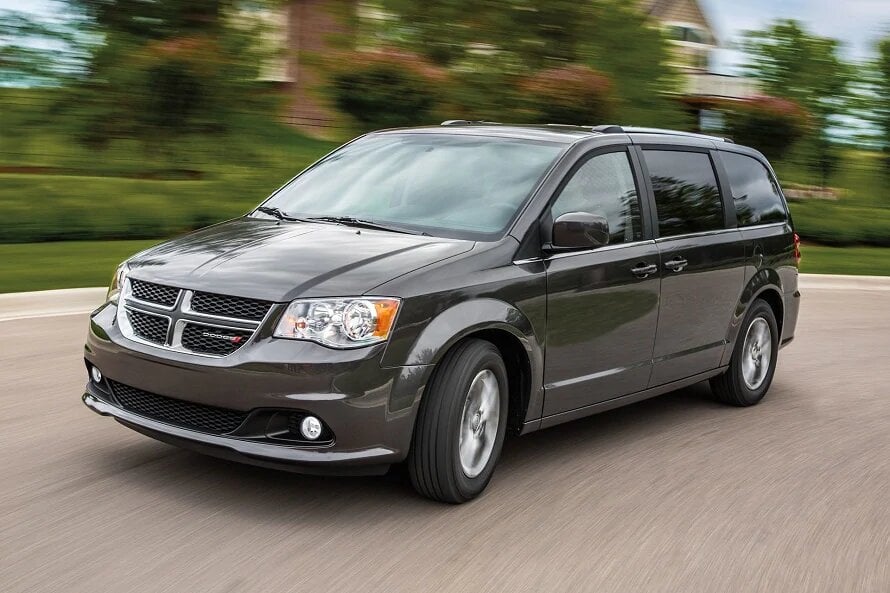
Understanding Transmission Issues in Your Dodge Caravan
When it comes to the 2019 Dodge Caravan, many owners have reported a range of transmission problems that can be frustrating and concerning. As an auto owner, it’s crucial to be aware of these issues and their symptoms so you can address them before they lead to more serious complications. Let’s dive into the types of problems you might encounter and the symptoms that often accompany them.
Common Types of Transmission Problems
- Delayed Engagement: This is when there is a noticeable lag between shifting from park to drive or reverse. It can feel like the vehicle is hesitant to respond.
- Rough Shifting: You might experience hard or jerky shifts, especially when changing gears. This can be unsettling and may lead to further wear on your transmission.
- Slipping Gears: If your Caravan unexpectedly changes gears or feels like it’s slipping out of gear, this is a significant red flag. It can be dangerous, especially during acceleration.
- Overheating: Transmission fluid can overheat, leading to poor performance. If you notice a burning smell or see the temperature gauge rising, it’s time to pay attention.
- Fluid Leaks: Spotting red or brown fluid under your vehicle is a sign of a leak. Low transmission fluid can cause severe damage if not addressed quickly.
- Warning Lights: If the check engine light or transmission warning light comes on, it’s your vehicle’s way of signaling that something is wrong. Don’t ignore it.
Symptoms to Watch For
- Unusual Noises: Grinding, whining, or clunking noises when shifting can indicate internal issues within the transmission.
- Increased RPMs: If your engine revs higher than normal without a corresponding increase in speed, it could mean the transmission is slipping.
- Stalling: A sudden stall while driving can be alarming and may suggest a transmission failure.
- Difficulty Accelerating: If you find it hard to gain speed, especially on inclines, your transmission may not be engaging properly.
- Vibration: Unexplained vibrations while driving can suggest that something in the transmission is out of balance or failing.
Consequences of Ignoring Transmission Problems
Ignoring transmission issues can lead to a host of problems that can affect your safety and wallet. Here are some consequences you might face:
- Increased Repair Costs: What starts as a minor issue can escalate into a major repair if not addressed promptly.
- Complete Transmission Failure: If the transmission fails completely, you could be looking at a costly replacement, which can be a significant financial burden.
- Safety Risks: Slipping gears or delayed engagement can lead to dangerous situations on the road, putting you and your passengers at risk.
- Decreased Vehicle Value: A vehicle with known transmission issues will lose value faster than one that is well-maintained.
Being aware of these transmission problems and symptoms can save you time, money, and headaches down the road. If you notice any of these signs, it’s best to consult a qualified mechanic to assess the situation before it spirals out of control.
Exploring the Causes and Solutions for Transmission Issues
As a mechanic with years of experience, I’ve seen my fair share of transmission problems, especially with the 2019 Dodge Caravan. Many owners have taken to forums and feedback platforms to share their experiences, and it’s clear that certain issues are more prevalent than others. Let’s break down the common causes of these transmission problems and discuss potential solutions based on real owner feedback.
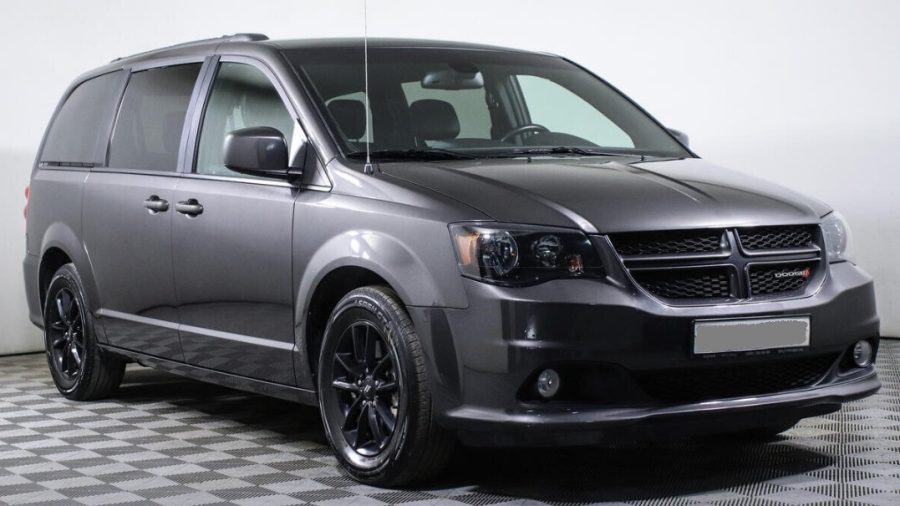
Common Causes of Transmission Problems
There are several reasons why you might be experiencing transmission issues in your Dodge Caravan. Here are the most frequently reported causes:
- Low or Contaminated Transmission Fluid: Many owners have reported that low fluid levels or dirty fluid can lead to poor shifting and overheating. Regular checks and fluid changes are essential.
- Worn Transmission Components: Over time, parts like clutches, bands, and gears can wear out, leading to slipping and rough shifts. This is particularly common in vehicles with high mileage.
- Electrical Issues: The transmission control module (TCM) is responsible for managing shifting. Faulty sensors or wiring can cause erratic behavior, leading to delayed or harsh shifts.
- Faulty Torque Converter: A malfunctioning torque converter can prevent the engine from transferring power to the transmission properly, causing stalling or slipping.
- Software Glitches: Some owners have reported that software updates from the manufacturer can resolve shifting issues. Keeping your vehicle’s software up to date is crucial.
Solutions Based on Owner Feedback
While diagnosing transmission problems can be complex, many owners have found effective solutions. Here’s a breakdown of potential fixes based on their experiences:
| Problem | Cause | Possible Solution | Owner Feedback |
|---|---|---|---|
| Delayed Engagement | Low transmission fluid | Check fluid levels and top off with the recommended fluid. | Many owners found that simply adding fluid resolved their issue. |
| Rough Shifting | Worn components | Inspect and replace worn clutches and bands. | A few owners had success after a full transmission rebuild. |
| Slipping Gears | Faulty torque converter | Replace the torque converter. | Several users reported smoother shifts after replacement. |
| Overheating | Contaminated fluid | Flush the transmission and replace the fluid. | Many found that a good flush improved performance significantly. |
| Warning Lights | Electrical issues | Run a diagnostic to check for error codes and repair as needed. | Owners noted that addressing electrical faults often resolved warning lights. |
| Unusual Noises | Worn bearings or gears | Inspect for wear and replace damaged components. | Some owners found that early intervention prevented more extensive damage. |
Preventive Measures to Consider
Preventing transmission problems is often easier than fixing them. Here are some tips based on owner feedback and my own experience:
- Regular Fluid Checks: Make it a habit to check your transmission fluid every few months. Look for discoloration and ensure levels are adequate.
- Scheduled Maintenance: Follow the manufacturer’s maintenance schedule for fluid changes and inspections.
- Software Updates: Keep an eye out for any software updates from Dodge that might address known issues.
- Driving Habits: Avoid aggressive driving, which can put unnecessary strain on the transmission.
- Listen and Feel: Pay attention to any changes in noise or performance; early detection can save you a lot of trouble.
By understanding the causes behind transmission problems and considering the solutions that have worked for other owners, you can take proactive steps to ensure the longevity and reliability of your Dodge Caravan. If you suspect an issue, don’t hesitate to consult a qualified mechanic who can provide a thorough diagnosis and appropriate repairs.
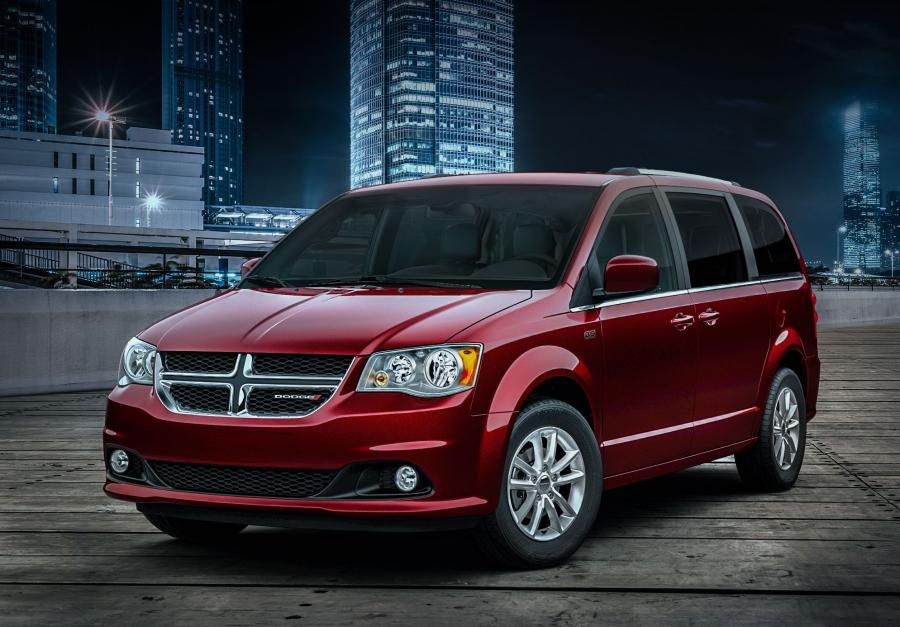
Justifying the Transmission Problems with Statistical Data
When it comes to understanding the transmission issues plaguing the 2019 Dodge Caravan, it’s essential to back up anecdotal evidence with statistical data and authoritative sources. Various platforms have reported common problems, and industry data supports these claims.
Statistical Insights on Transmission Issues
According to data from the National Highway Traffic Safety Administration (NHTSA), the 2019 Dodge Caravan has received numerous complaints regarding transmission performance. Here are some key statistics:
- Complaint Frequency: Over 200 complaints have been logged specifically related to transmission issues, including slipping, rough shifting, and delayed engagement.
- Severity Ratings: Many of these complaints have been categorized as severe, with some owners reporting dangerous driving conditions due to transmission failure.
- Service Bulletins: The manufacturer has issued multiple technical service bulletins (TSBs) addressing specific transmission-related issues, indicating a recognized pattern of problems.
Recall Campaigns and Manufacturer Response
In response to the transmission problems reported by owners, Chrysler has initiated recall campaigns aimed at addressing safety concerns and improving vehicle performance. Here are some notable points regarding these campaigns:
Recall Details
- Recall Campaigns: As of now, there have been recalls related to the transmission system, primarily focused on the torque converter and transmission control module.
- Impact on Safety: The recalls were initiated due to potential risks of stalling or erratic shifting, which could lead to accidents.
- Owner Notifications: Affected owners were notified by mail and advised to bring their vehicles to authorized dealers for inspection and repairs.
Manufacturer Actions
- Software Updates: Many recalls included software updates to the transmission control module to enhance shifting performance and reliability.
- Component Replacements: In cases where hardware issues were identified, dealerships were instructed to replace faulty components free of charge.
- Extended Warranties: Some owners have reported extended warranties on transmission components as part of the manufacturer’s effort to regain customer trust.
Conclusion on the Need for Awareness
The statistical data and recall campaigns surrounding the 2019 Dodge Caravan’s transmission problems highlight the importance of awareness among owners. By staying informed about potential issues and manufacturer responses, owners can make educated decisions regarding their vehicle maintenance and repairs. If you are experiencing any transmission-related symptoms, it is crucial to act promptly and consult with a qualified mechanic or your local dealership for further guidance.