
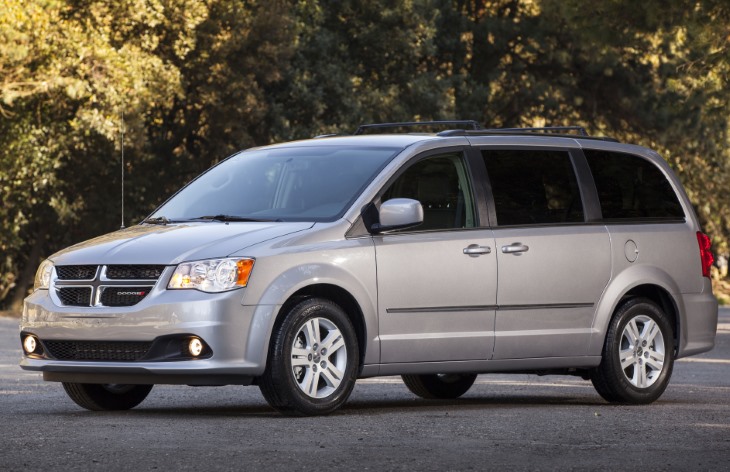
Understanding Transmission Issues in Your Caravan
When it comes to your Dodge Caravan, the transmission is one of those components that you can’t afford to ignore. It’s the heart of your vehicle’s powertrain, responsible for transferring engine power to the wheels. Unfortunately, many Caravan owners have encountered a range of transmission problems that can lead to frustrating situations and costly repairs. Let’s dive into the common types of issues you might face and the symptoms that signal trouble.
Common Types of Transmission Problems
- Slipping Gears: This is when your transmission unexpectedly changes gears or fails to stay in a selected gear. It can feel like the engine is revving without the vehicle accelerating as it should.
- Delayed Engagement: You might notice a significant delay when shifting from park to drive or reverse. This can feel like a lag, where the vehicle doesn’t respond immediately to your commands.
- Fluid Leaks: Transmission fluid is essential for smooth operation. If you spot red or brown fluid pooling under your vehicle, you might have a leak that needs immediate attention.
- Overheating: If your transmission is overheating, it can lead to severe damage. This can happen if the fluid is low or contaminated.
- Unusual Noises: Grinding, whining, or clunking noises when shifting gears can indicate internal issues within the transmission.
- Warning Lights: The check engine light or transmission warning light on your dashboard can indicate that something is amiss. Don’t ignore these signals.
Symptoms to Watch For
Performance Issues
If your Caravan feels sluggish or unresponsive, it’s a sign that something is wrong. You might notice:
- Difficulty accelerating.
- Frequent gear changes that feel erratic.
- Loss of power when climbing hills.
Physical Signs
Keep an eye out for any physical signs that might indicate transmission trouble:
- Fluid leaks under the vehicle.
- Burnt smell coming from the transmission fluid.
- Discoloration or debris in the fluid when checked.
Behavioral Changes
Your Caravan may exhibit behavioral changes that signal transmission problems:
- Shifting harshly or roughly between gears.
- Inability to shift into certain gears.
- Feeling of the transmission “hunting” for gears.
Consequences of Ignoring Transmission Problems
Ignoring transmission issues can lead to serious consequences:
- Increased Repair Costs: What starts as a minor issue can quickly escalate into a major repair job if left unattended.
- Complete Transmission Failure: Continuing to drive with a faulty transmission can lead to catastrophic failure, leaving you stranded and facing a hefty replacement bill.
- Safety Risks: A malfunctioning transmission can affect your ability to control the vehicle, especially during critical driving situations.
In summary, keeping an eye out for these symptoms and understanding the types of transmission problems can save you time, money, and headaches down the road. Your Dodge Caravan deserves attention and care to keep it running smoothly.
Exploring the Causes and Solutions for Transmission Issues
When it comes to your Dodge Caravan, understanding the root causes of transmission problems can make all the difference. Many owners have shared their experiences on forums, revealing a variety of issues that can arise. Let’s break down the common causes of these transmission troubles and what you can do about them.
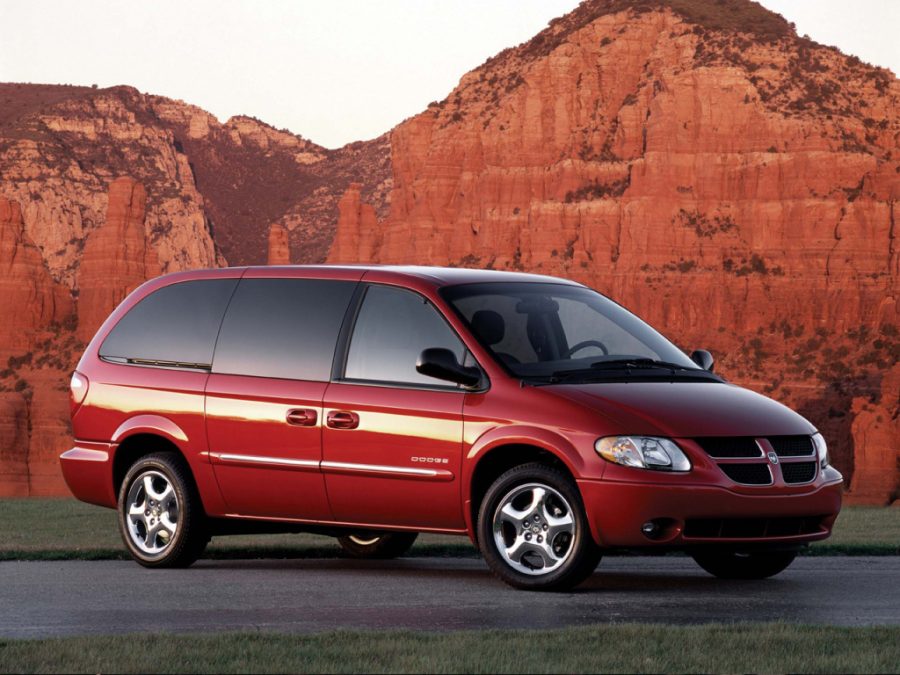
Common Causes of Transmission Problems
- Low or Contaminated Transmission Fluid: One of the most frequent culprits. If your fluid is low or dirty, it can lead to inadequate lubrication and overheating.
- Worn Transmission Bands: Over time, the bands that help your gears shift can wear out, leading to slipping and difficulty changing gears.
- Faulty Torque Converter: The torque converter helps manage engine power and can cause issues like slipping or overheating if it fails.
- Electrical Issues: Modern transmissions rely heavily on electronic components. Faulty sensors or wiring can lead to erratic shifting and performance problems.
- Internal Damage: This could be due to wear and tear, overheating, or lack of maintenance. Internal components like gears and clutches can fail, leading to costly repairs.
- Improper Maintenance: Skipping regular fluid changes or ignoring warning signs can lead to bigger problems down the line.
Solutions for Addressing Transmission Problems
While the causes can vary, there are several solutions that can help mitigate these issues before they escalate. Below is a table summarizing common problems, their potential causes, and recommended solutions based on owner feedback and mechanic experience.
| Problem | Potential Causes | Recommended Solutions |
|---|---|---|
| Slipping Gears |
|
|
| Delayed Engagement |
|
|
| Fluid Leaks |
|
|
| Overheating |
|
|
| Unusual Noises |
|
|
| Warning Lights |
|
|
By staying informed about these potential causes and solutions, you can take proactive steps to keep your Dodge Caravan running smoothly. Regular maintenance and a keen eye for symptoms can save you from the headaches associated with transmission troubles.
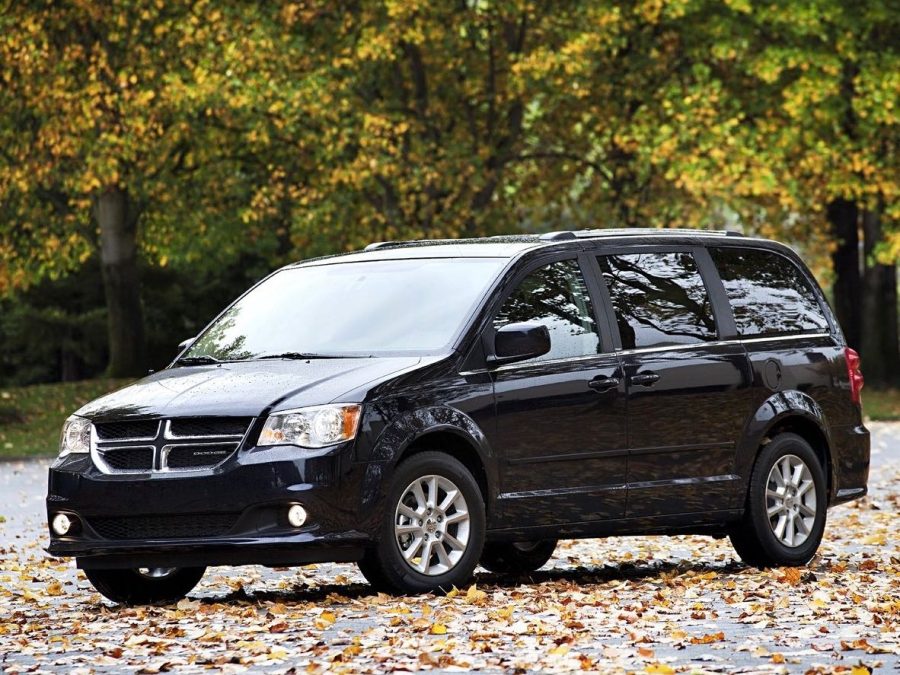
Justifying the Facts: Statistical Insights and Recall Campaigns
Understanding the prevalence of transmission problems in the Dodge Caravan is crucial for owners. Numerous studies and reports have highlighted these issues, providing a clearer picture of what to expect and how to address it. Additionally, recall campaigns are essential to consider, as they can significantly impact vehicle safety and performance.
Statistical Data on Transmission Problems
Several authoritative sources and automotive studies have documented the frequency of transmission issues in the Dodge Caravan. Here are some key statistics that underline these problems:
- Consumer Reports: According to consumer surveys, transmission problems rank among the top complaints for Dodge Caravan owners, with reports indicating that nearly 20% of owners experienced issues within the first 100,000 miles.
- National Highway Traffic Safety Administration (NHTSA): The NHTSA database lists numerous complaints related to transmission failures, highlighting a pattern of issues that often require significant repairs.
- J.D. Power: In their annual vehicle dependability studies, the Caravan often scores lower in transmission reliability compared to other minivans, indicating a higher likelihood of problems.
These statistics reflect a broader trend and confirm that transmission issues are a significant concern for many Dodge Caravan owners.
Recall Campaigns Related to Transmission Problems
Over the years, there have been several recall campaigns aimed at addressing transmission-related problems in the Dodge Caravan. Here are some notable examples:
Major Recall Campaigns
- 2014 Recall: The Chrysler Group recalled certain 2014 Dodge Caravan models due to potential transmission overheating, which could increase the risk of a fire. This recall affected over 700,000 vehicles and was initiated to ensure the safety of drivers and passengers.
- 2015 Recall: Another recall was issued for 2015 models due to faulty transmission control modules that could lead to unexpected gear shifting. This affected thousands of vehicles and was addressed with software updates to improve transmission performance.
- 2016 Recall: A recall for 2016 models was executed due to a risk of the transmission unexpectedly shifting into neutral, which could lead to loss of power. This recall involved inspecting and replacing defective components to prevent accidents.
Impact of Recalls
The impact of these recall campaigns cannot be understated. They serve to not only rectify existing problems but also to enhance overall vehicle safety. Owners are encouraged to check if their vehicle is affected by any recalls and to act promptly to have necessary repairs completed.
You can check the NHTSA website or contact your local dealership for information regarding recalls and to ensure your vehicle is safe and reliable.
By staying informed about the statistical data and recall campaigns related to transmission problems, Dodge Caravan owners can make better decisions regarding their vehicle maintenance and safety.