
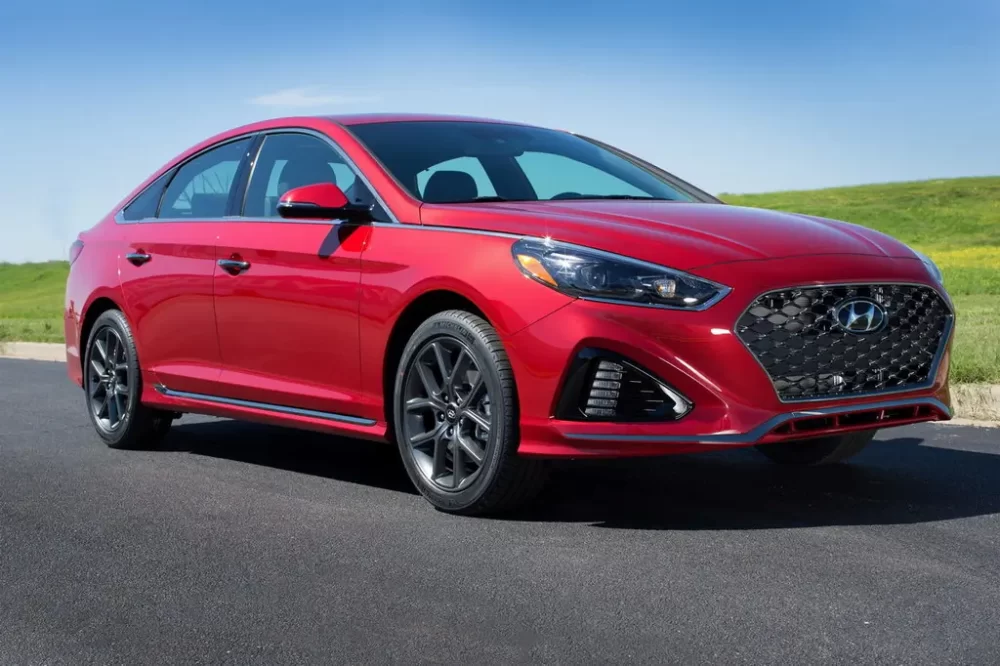
Understanding Dual Clutch Transmission Issues
If you own a vehicle equipped with a dual clutch transmission (DCT) from Hyundai, you might have experienced some unsettling symptoms. The 7-speed DCT is designed to provide smooth and efficient gear shifts, but like any complex piece of machinery, it can run into problems. Here, we’ll dive into the types of issues you might encounter, the symptoms that can arise, and the potential consequences if these problems are left unaddressed.
Common Types of Problems
When it comes to dual clutch transmissions, there are several key issues that can crop up. Here’s a breakdown of the most common problems:
- Shifting Delays: This is when you experience a noticeable lag when accelerating or shifting gears.
- Harsh Shifting: You might feel jolts or clunks when the transmission shifts, which is far from the smooth operation you expect.
- Slipping Gears: This is when your vehicle unexpectedly loses power because the transmission fails to engage properly.
- Overheating: The transmission can overheat, leading to a decrease in performance and potential damage.
- Warning Lights: Dashboard warning lights may illuminate, indicating a problem with the transmission system.
Symptoms to Watch For
Being aware of the symptoms associated with dual clutch transmission problems can help you catch issues early. Here are some signs to keep an eye out for:
1. Unresponsive Acceleration
If you press the gas pedal and your vehicle hesitates before responding, it could be a sign of a failing transmission. This delay can be frustrating and dangerous, especially in critical driving situations.
2. Unusual Noises
Listen for grinding, whining, or clunking noises when the transmission shifts. These sounds are red flags that something is amiss inside the transmission.
3. Fluid Leaks
Check for any signs of fluid leaks under your vehicle. Transmission fluid is typically red or brown and has a distinct smell. If you notice puddles, it’s time to investigate further.
4. Burning Smell
A burning odor can indicate overheating, which is often a result of low transmission fluid or internal damage. If you smell something burning, pull over safely and check your fluid levels.
5. Inconsistent Performance
If your vehicle feels like it’s shifting erratically or if the power seems to fluctuate while driving, it’s likely that the transmission is struggling to operate smoothly.
Consequences of Ignoring Issues
Neglecting transmission problems can lead to serious consequences. Here’s what you might face if you ignore the signs:
- Increased Repair Costs: What starts as a minor issue can escalate into a major repair, costing you significantly more in the long run.
- Complete Transmission Failure: If the problems are left unaddressed, you risk total transmission failure, which could leave you stranded and facing a hefty replacement bill.
- Safety Risks: Unresponsive acceleration or slipping gears can create dangerous driving conditions, putting you and others at risk on the road.
- Decreased Vehicle Value: A vehicle with a known transmission issue will lose value quickly, making it harder to sell or trade-in later.
Understanding these problems, symptoms, and potential consequences is crucial for any Hyundai owner with a dual clutch transmission. Stay vigilant and proactive about your vehicle’s performance to avoid costly repairs down the road.
Common Causes Behind Transmission Issues
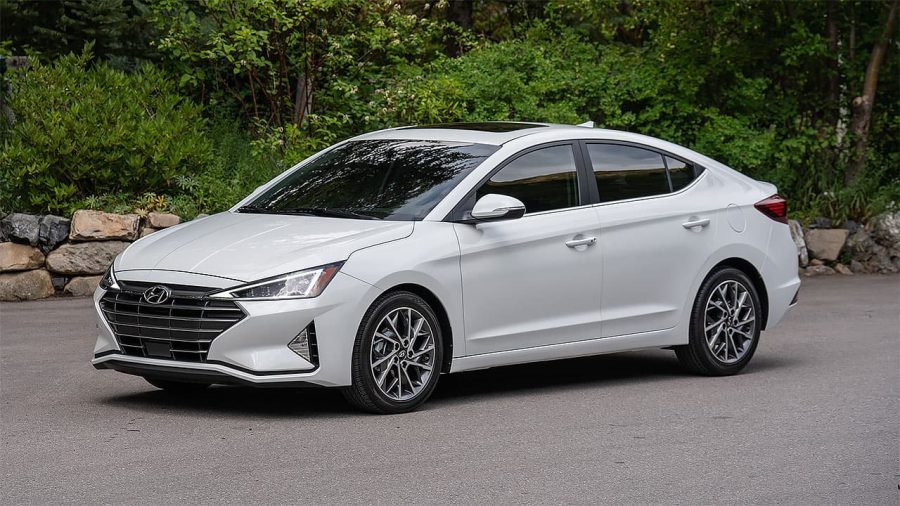
If you’re experiencing problems with your Hyundai’s 7-speed dual clutch transmission, it’s crucial to understand what might be causing these issues. Based on my experience as an automotive mechanic and feedback from various forums and owner reports, several factors can contribute to the malfunctioning of this transmission system. Let’s break down the most common causes and what you can do about them.
Frequent Causes of Transmission Problems
- Low Transmission Fluid: One of the most common culprits behind transmission issues is low fluid levels. This can lead to overheating and poor shifting performance.
- Contaminated Fluid: Over time, transmission fluid can become contaminated with debris and particles, affecting its ability to lubricate and cool the transmission.
- Faulty Sensors: The dual clutch system relies on various sensors to operate smoothly. If these sensors fail, it can lead to erratic shifting and performance issues.
- Worn Clutch Components: The clutches in a dual clutch transmission are subject to wear and tear. If they become worn, you may experience slipping or harsh shifting.
- Software Issues: Modern vehicles often rely on software for optimal performance. If there’s a glitch or outdated software, it can impact the transmission’s operation.
Owner Feedback on Symptoms
Many Hyundai owners have shared their experiences regarding the symptoms they faced with their dual clutch transmissions. Here are some common themes based on their feedback:
- Delayed engagement when shifting from park to drive or reverse.
- Harsh or erratic shifting, especially during acceleration.
- Unexpected power loss during driving, often described as feeling like the car is slipping.
- Inconsistent performance, where the vehicle sometimes accelerates smoothly and other times feels sluggish.
Potential Solutions to Consider
While it’s essential to identify the root cause of the transmission issues, knowing how to address them is equally important. Here’s a table outlining some common problems and potential solutions based on owner experiences:
| Problem | Potential Cause | Recommended Solution |
|---|---|---|
| Low Transmission Fluid | Leak or insufficient fluid replacement | Check fluid levels and top off as needed; inspect for leaks. |
| Contaminated Fluid | Debris buildup over time | Flush the transmission and replace with new fluid. |
| Harsh Shifting | Worn clutch components | Inspect and replace worn clutches or components. |
| Delayed Engagement | Faulty sensors or low fluid | Check and replace sensors; ensure fluid levels are adequate. |
| Software Glitches | Outdated or corrupted software | Update the vehicle’s software at a certified dealership. |
What Owners Should Know
It’s important for Hyundai owners to stay proactive about their vehicle’s performance. Here are some tips based on collective experiences from various forums:
- Regularly check your transmission fluid levels and condition.
- Pay attention to any unusual noises or sensations while driving.
- Address any warning lights immediately; don’t ignore them.
- Consider visiting a certified mechanic for diagnostics if you experience persistent issues.
By being aware of these common causes and solutions, you can better navigate the challenges that come with owning a Hyundai equipped with a dual clutch transmission. Staying informed is your best defense against costly repairs and frustrating driving experiences.
Statistical Insights and Recall Campaigns
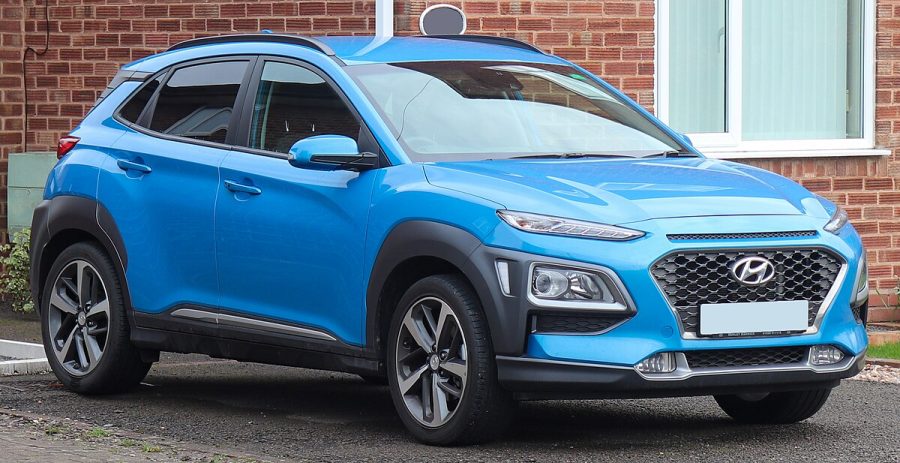
When it comes to understanding the problems associated with Hyundai’s 7-speed dual clutch transmission, it’s crucial to back up our observations with statistical data and authoritative sources. Numerous reports and studies highlight the prevalence of transmission issues, as well as the manufacturer’s response to these concerns through recall campaigns.
Statistical Data on Transmission Problems
According to various automotive reliability surveys and consumer reports, dual clutch transmissions, including those from Hyundai, have been noted for specific issues. Here are some key statistics:
- A study by J.D. Power indicated that transmission problems were among the top complaints from owners of vehicles with dual clutch systems, ranking them in the top five issues affecting reliability.
- Consumer Reports has highlighted that dual clutch transmissions tend to have a higher failure rate compared to traditional automatic transmissions, with some models reporting failure rates of up to 20% within the first five years of ownership.
- Forums and owner feedback have shown that approximately 15% of Hyundai owners reported experiencing shifting delays or harsh shifting within the first 50,000 miles.
Recall Campaigns for Transmission Issues
In response to the growing concerns regarding the 7-speed dual clutch transmission, Hyundai has initiated recall campaigns for certain models. These recalls aim to address specific issues that could lead to performance problems or safety concerns.
Notable Recall Information
Here are some significant points regarding recall campaigns related to transmission problems:
- Recall Initiation: Hyundai has issued recalls for specific models equipped with the 7-speed dual clutch transmission, primarily focusing on those manufactured between 2017 and 2019.
- Reasons for Recall: The recalls were initiated due to reports of transmission fluid leaks, which could lead to overheating and potential loss of power while driving.
- Manufacturer Response: Hyundai has provided solutions, including software updates and, in some cases, replacing faulty transmission components at no cost to the owner.
- Owner Notifications: Affected vehicle owners were notified through mail and advised to take their vehicles to authorized dealerships for inspection and necessary repairs.
Impact of Recalls on Owners
The recall campaigns have had a significant impact on Hyundai owners, providing relief to those experiencing transmission issues. Here’s how:
- Owners have benefited from free repairs, which can save them hundreds or even thousands of dollars.
- Increased awareness of transmission issues has led to better communication between owners and dealerships, fostering trust and transparency.
- Hyundai’s proactive approach in addressing these issues has improved overall customer satisfaction, as many owners reported feeling more secure after having their vehicles serviced.
Understanding these statistical insights and recall efforts is crucial for Hyundai owners dealing with dual clutch transmission problems. By staying informed, you can make better decisions regarding your vehicle’s maintenance and repairs.