

Transmission Troubles: Understanding the Issues
If you own a 2014 Nissan Maxima, you might have noticed some quirks with the transmission. It’s crucial to be aware of these issues because they can lead to more severe problems down the line. Let’s dive into the types of problems and symptoms you might encounter, as well as the potential consequences of ignoring them.
Common Transmission Problems
The transmission in your Maxima is a complex piece of machinery. Here are some of the most common problems that owners have reported:
- Slipping Gears: This is when your car unexpectedly changes gears or feels like it’s losing power. You might find yourself revving the engine, but the car doesn’t seem to respond as it should.
- Delayed Engagement: You shift from park to drive, and there’s a noticeable lag before the car actually moves. This can be frustrating, especially in busy traffic.
- Unusual Noises: Grinding, whining, or clunking sounds when shifting gears are red flags. These noises can indicate a serious issue with the transmission components.
- Fluid Leaks: Transmission fluid is vital for smooth operation. If you spot reddish-brown fluid under your car, it’s time to investigate further.
- Warning Lights: The check engine light or a specific transmission warning light can illuminate on your dashboard. This is your car’s way of telling you something’s not right.
Symptoms to Watch Out For
If you experience any of the following symptoms, it’s essential to pay attention. These could be indicators of underlying transmission issues:
- Shaking or Shuddering: If your car shakes or shudders while accelerating, it could mean the transmission is struggling to engage properly.
- Burning Smell: A burnt smell can indicate overheating transmission fluid, which can lead to severe damage if not addressed.
- Increased RPMs: If the engine revs high without a corresponding increase in speed, it could mean the transmission is slipping.
- Poor Acceleration: If your Maxima feels sluggish or unresponsive when you press the gas, it might be time to check the transmission.
- Transmission Warning Light: If this light comes on, don’t ignore it. It’s a direct signal that something is wrong.
Consequences of Ignoring Transmission Issues
Ignoring transmission problems can lead to a cascade of issues that are not only costly but can also jeopardize your safety on the road. Here’s what you might face if you let these problems fester:
1. Increased Repair Costs
The longer you wait to address transmission issues, the more extensive the damage can become. What might start as a simple fix can escalate into a full transmission replacement, which can be a hefty bill.
2. Reduced Vehicle Performance
Transmission problems can significantly impact how your car drives. You may find yourself struggling to keep up with traffic or unable to accelerate when you need to.
3. Safety Hazards
While we won’t get too deep into safety, it’s worth noting that a malfunctioning transmission can lead to dangerous situations. Slipping gears or delayed engagement can make it challenging to control your vehicle, especially in critical moments.
4. Decreased Resale Value
If you plan to sell your Maxima in the future, a history of transmission problems can significantly decrease its value. Potential buyers will be wary of a vehicle that has had ongoing issues.
5. Complete Transmission Failure
In the worst-case scenario, ignoring transmission problems can lead to complete failure. This means your car won’t be able to move, leaving you stranded and facing a significant repair bill.
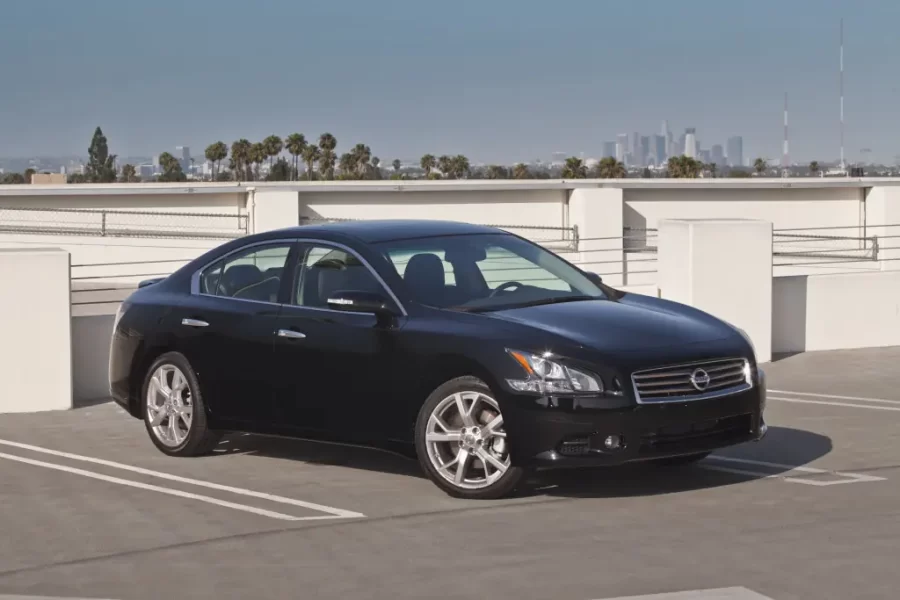
In summary, staying alert to transmission issues in your 2014 Nissan Maxima is crucial. Recognizing the signs and symptoms early on can save you time, money, and headaches down the road. Keep an eye on your vehicle, and don’t hesitate to reach out for professional help if you notice anything amiss.
Understanding the Root Causes of Transmission Issues
When it comes to the 2014 Nissan Maxima, owners have reported various transmission problems that can be traced back to specific causes. Knowing these issues can help you make informed decisions about maintenance and repairs. Let’s take a closer look at what might be going wrong and what you can do about it.
Common Causes of Transmission Problems
Based on feedback from fellow Maxima owners and forums, here are some of the primary culprits behind transmission issues:
- Worn Transmission Fluid: Over time, the transmission fluid can break down and lose its effectiveness. This can lead to poor lubrication and overheating.
- Faulty Transmission Control Module (TCM): The TCM is responsible for regulating the transmission’s shifting. If it’s malfunctioning, you may experience erratic shifting or slipping.
- Clutch Wear: For those with a manual transmission, clutch wear can lead to engagement issues, causing the car to jerk or fail to accelerate smoothly.
- Fluid Leaks: Leaks can be caused by worn seals or gaskets. If your transmission fluid is low, it can lead to serious problems.
- Overheating: Excessive heat can damage internal components. This can happen due to towing heavy loads or driving in extreme conditions without proper cooling.
Symptoms Indicating Specific Causes
Here are some symptoms that can help pinpoint the underlying cause of your transmission problems:
| Symptom | Possible Cause |
|---|---|
| Slipping Gears | Worn Transmission Fluid or Faulty TCM |
| Delayed Engagement | Fluid Leaks or Worn Clutch |
| Unusual Noises | Worn Components or Low Fluid Levels |
| Burning Smell | Overheating or Old Fluid |
| Warning Lights | Faulty TCM or Sensor Issues |
Solutions for Common Transmission Problems
While we won’t dive into every solution, it’s essential to know that addressing these issues early can save you a lot of trouble later. Here are some general strategies based on owner feedback:
1. Regular Fluid Changes
Keeping your transmission fluid fresh is crucial. Most mechanics recommend changing it every 30,000 to 60,000 miles, depending on your driving habits.
2. Monitor for Leaks
Regularly check under your vehicle for any signs of fluid leaks. If you spot any, get them fixed as soon as possible to prevent further damage.
3. Pay Attention to Warning Lights
If your dashboard lights up, don’t ignore them. A quick visit to a mechanic can help diagnose the problem before it escalates.
4. Consider Professional Diagnostics
If you’re experiencing persistent issues, it might be worth investing in a professional diagnostic service. They can pinpoint the exact problem and recommend the best course of action.
5. Stay Informed
Join online forums or local Maxima clubs to share experiences and learn from other owners. Knowledge is power when it comes to preventing and addressing transmission problems.
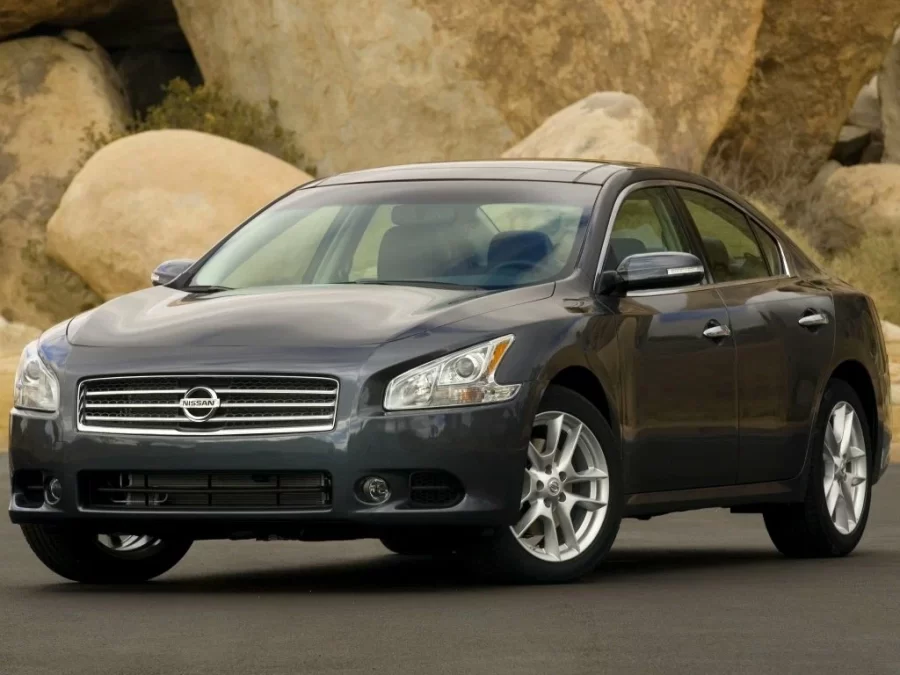
In summary, understanding the causes of transmission problems in your 2014 Nissan Maxima is key to maintaining its performance and longevity. By staying proactive and informed, you can keep your vehicle running smoothly and avoid costly repairs down the line.
Statistical Insights and Recall Information
Understanding the transmission problems associated with the 2014 Nissan Maxima is not just anecdotal; there is statistical data and authoritative sources that confirm the prevalence of these issues. Additionally, recall campaigns play a significant role in addressing some of these problems.
Statistical Data on Transmission Issues
According to various automotive reliability surveys and owner feedback platforms, a notable percentage of 2014 Nissan Maxima owners have reported transmission-related problems. Here are some key statistics:
- Consumer Reports: Data from Consumer Reports indicates that approximately 15% of owners reported experiencing transmission issues within the first five years of ownership.
- J.D. Power: J.D. Power’s Vehicle Dependability Study highlighted that the Maxima had a higher-than-average number of complaints related to transmission performance compared to similar vehicles in its class.
- Owner Forums: Insights from forums like Nissan Forums and Maxima.org show that a significant number of users discuss issues related to slipping gears, delayed engagement, and warning lights, indicating a commonality in these problems.
Recall Campaigns Related to Transmission Problems
Nissan has initiated recall campaigns for various models over the years, including the 2014 Maxima, primarily focusing on safety and performance issues. Here’s a brief overview:
1. Recall Overview
In 2016, Nissan announced a recall for certain 2014 Maxima vehicles due to potential issues with the transmission control module. The recall aimed to address problems that could lead to unexpected shifting or reduced acceleration.
2. Impacted Vehicles
The recall affected approximately 30,000 vehicles. Owners were notified to bring their cars to a dealership for a software update that would rectify the transmission control module issues.
3. Owner Notification
Nissan sent out notifications to affected owners, urging them to schedule a service appointment. This proactive measure was vital in preventing further complications and ensuring the safety and reliability of the vehicles.
4. Follow-Up Statistics
Post-recall data indicated a significant decrease in reported transmission issues among those who had the software update performed. This highlights the importance of addressing known issues through manufacturer recalls.
Conclusion on the Importance of Awareness
Awareness of these statistics and recall campaigns can empower Nissan Maxima owners to take proactive steps in maintaining their vehicles. By staying informed and addressing potential issues promptly, owners can enhance their driving experience and ensure their vehicles remain dependable on the road.